
About Us
We are committed to delivering creative, corporate gifting, office branding. Based in Ajman, we help brands grow, connect, and engage with their audiences through innovative promotional items and marketing.
About UsContact Info
- Ajman UAE
- +971 56 618 2527
- sales@alfalahbcn.com
Printing Services
Printing Services
1. Digital Printing
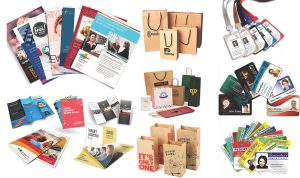 Digital printing is one of the most common and practical printing methods used today. It involves printing directly from a digital file, which makes the process fast, flexible, and efficient. Because there is no need for plates or lengthy setup, digital printing is especially suitable for short runs and urgent projects.
This type of printing is widely used for business cards, flyers, brochures, posters, menus, invitations, and many other marketing materials. It is also a great option when customization is needed, such as adding names, serial numbers, or personalized details to each print.
One of the biggest advantages of digital printing is speed. It allows businesses to produce high-quality printed materials quickly without the higher setup costs associated with traditional methods. It is also cost-effective for smaller quantities.
However, when it comes to very large print runs, digital printing may become less economical than offset printing. Still, for most everyday business needs, it offers an excellent balance of quality, convenience, and affordability.
2. Offset Printing
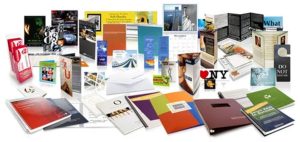 Offset printing is a traditional and highly reliable printing process that is often chosen for large-volume jobs. It works by transferring ink from a metal plate to a rubber blanket and then onto the printing surface. This method is known for producing sharp, consistent, and professional results.
It is commonly used for magazines, books, newspapers, catalogs, corporate brochures, and packaging. Offset printing is especially valued when color accuracy and image consistency are important.
This method becomes more cost-effective as the quantity increases. For large print runs, the per-unit cost drops significantly, making it the preferred choice for businesses that need thousands of copies.
The main drawback of offset printing is the initial setup time and cost. Since plates must be prepared before printing begins, it is not ideal for small or last-minute jobs. But for larger projects that require high-quality results, offset printing remains one of the best options available.
3. Large Format Printing
Large format printing is used for oversized printed materials that need to make a strong visual impact. This includes banners, posters, wall graphics, exhibition displays, signage, window displays, and vehicle wraps.
This type of printing is often used in advertising and branding because it attracts attention quickly and clearly communicates a message from a distance. Businesses rely on large format printing for trade shows, retail promotions, outdoor advertising, and event branding.
Large format printing is not just about size; it is also about durability and visibility. Depending on the intended use, prints can be produced on a variety of materials designed for indoor or outdoor environments.
Its greatest strength is its ability to create bold, eye-catching visuals. The only limitation is that it requires specialized equipment and material selection, which can affect cost. Still, when visibility matters, large format printing is an essential service.
4. Screen Printing
Screen printing is a popular method used mainly for textiles and promotional products. The process involves pushing ink through a mesh screen onto the surface, allowing for strong, vibrant color application.
It is especially common in the production of T-shirts, hoodies, tote bags, posters, and branded merchandise. Screen printing is often the preferred method for bulk apparel orders because it produces durable and long-lasting results.
One of the biggest advantages of screen printing is its ability to deliver rich, bold colors that stand out well, even on darker materials. It is also highly durable, making it ideal for items that will be worn or used frequently.
The method is less suitable for complex, highly detailed designs or small one-off jobs because the setup takes more time. Still, for large quantities and simple, strong designs, screen printing is one of the most dependable choices.
5. Gravure Printing
Gravure printing is a high-end printing method used for extremely large production volumes. It uses engraved cylinders to transfer ink and is known for producing rich, precise, and consistent results.
This method is commonly used for magazines, wallpaper, packaging, and decorative printing. It is often chosen when visual quality and long-run consistency are extremely important.
Gravure printing offers excellent image depth and smooth tonal gradation, which makes it suitable for premium printed products. It can produce very high-quality results over long production runs without losing consistency.
However, the setup cost is very high, so it is generally used only when the quantity justifies the investment. For that reason, it is usually chosen by large manufacturers and publishers rather than small businesses.
6. UV Printing
UV printing is a modern printing technology that uses ultraviolet light to cure the ink instantly after it is applied. This creates a fast-drying, durable finish and allows printing on a wide variety of surfaces.
It is commonly used for acrylic, wood, glass, metal, plastic, and other rigid materials. It is also widely used for promotional products, packaging, and custom branding items.
One of the strongest advantages of UV printing is its versatility. It can produce high-quality prints on surfaces that are difficult to print on using traditional methods. It is also known for sharp detail, vibrant color, and excellent durability.
Because of its advanced technology, UV printing can be more expensive than standard methods. Still, for custom products and premium finishes, it is an excellent choice.
7. Sublimation Printing
Sublimation printing is a specialized technique that works best on polyester fabrics and coated materials. The ink is turned into gas through heat and then absorbed into the surface, which creates a smooth and durable print.
This method is often used for sportswear, mugs, phone cases, flags, cushions, and promotional products. It is especially popular for colorful, full-surface designs.
One of the biggest benefits of sublimation printing is that the design becomes part of the material rather than sitting on top of it. This gives the print a soft feel, excellent durability, and long-lasting color.
Its limitation is material compatibility. It does not work well on all fabrics or uncoated surfaces. But for the right product, it delivers outstanding results.
8. 3D Printing
3D printing is a modern manufacturing process that builds objects layer by layer from a digital model. Although it is different from traditional printing, it is still considered an important printing service because it turns digital designs into physical objects.
It is commonly used for prototypes, product samples, technical parts, medical models, and custom components. Industries such as engineering, healthcare, design, and manufacturing use 3D printing to create and test ideas quickly.
The major advantage of 3D printing is flexibility. It allows businesses to create complex shapes, test designs, and produce small quantities without expensive molds or tooling.
The main limitation is speed and material range, especially compared with mass manufacturing. However, for prototyping and custom production, it is extremely valuable.
9. Laser Printing
Laser printing is a fast and efficient method that is commonly used in offices and businesses. It uses toner and heat to create sharp, clean prints, especially for text-heavy documents.
This printing method is ideal for reports, letters, invoices, forms, and general office use. It is known for its speed, reliability, and professional finish.
Laser printing produces crisp text and can handle high-volume document printing with ease. It is often more economical than inkjet printing for regular office work.
Its main limitation is that it is not always the best option for high-end photo printing. Nevertheless, for business documents, it is one of the most practical printing solutions.
10. Inkjet Printing
Inkjet printing is another widely used printing method, especially for photo printing and small-scale color jobs. It works by spraying tiny droplets of ink directly onto paper or other surfaces.
It is commonly used for photos, art prints, posters, documents, and home printing needs. Inkjet printers are popular because they offer strong color quality and are easy to use.
This method is particularly good for images and detailed graphics. It is also suitable for low-volume printing where flexibility matters more than speed.
The downside is that ink can be relatively expensive over time, and some prints may be more sensitive to smudging or moisture. Even so, for quality image output, inkjet printing is a reliable choice.
11. Embossing and Debossing
Embossing and debossing are finishing techniques that add texture and depth to printed materials. Embossing raises part of the design above the surface, while debossing creates an impression pressed into the material.
These techniques are commonly used for business cards, invitations, certificates, packaging, and premium stationery. They are often chosen to create a more refined, elegant look.
The main advantage of these finishing methods is their ability to enhance the visual and tactile appeal of printed materials. They give a design a more premium and memorable feel.
Because they are specialty finishes, they are usually more expensive than standard printing. But for high-end branding, they can make a significant difference.
12. Foil Stamping
Foil stamping is a decorative printing finish that uses heat and pressure to apply metallic or colored foil to the surface. It is often used to highlight logos, names, borders, and design elements.
This technique is popular for invitations, luxury packaging, certificates, and branded materials. It adds a polished and elegant appearance that immediately stands out.
Foil stamping is particularly effective when a project needs a premium and professional look. While it adds cost to production, it can significantly improve the presentation of the final product.
Branding
Corporate branding involves creating a distinct and consistent identity for a company as a whole, rather than focusing solely on individual products or services.
Sheet-Fed Printing
On the other hand, we denounce with righteous indignation & dislike men who are so beguiled demoralized by the charms of pleasure of moment, so trouble that are bound.
Large Format Printing
Indignation & dislike men who are so beguiled demoralized by the charms of pleasure of the moment, so blinded by desire, that they cannot foresee the pain and trouble equal.
Offset Printing
The wise man therefore always holds in these matters to this principle of selection he rejects pleasures to easy secure other greater pleasures seds else he endures pains.
True Print Solutions
Corporate branding involves creating a distinct and consistent identity for a company as a whole, rather than focusing solely on individual products or services.


Technology in Print
Denounce with righteous indignation & dislike men who are so beguiled and demoralized the charms of pleasure that they cannot foresee obligations have to be repudiated.
- Max. sheet format: 72 x 102 cm
- Max speed: 15,000 sheets/h
- Minimum sheet format: 34 x 48 cm
- Max. print format: 71 x 102 cm
Industries Served
Loves orpursues or desires to obtain pain of itself, because it is pain, but because occasionally.
-
Businesses
Give you a complete account of the system, and expound theactual teachings of the great explorer rationally encounter consequences that are extremely
-
Sports
Give you a complete account of the system, and expound theactual teachings of the great explorer rationally encounter consequences that are extremely
-
Breweriers
Give you a complete account of the system, and expound theactual teachings of the great explorer rationally encounter consequences that are extremely
-
Fundraisers
Give you a complete account of the system, and expound theactual teachings of the great explorer rationally encounter consequences that are extremely